How to Organize Freelance Projects Using Trello Step by Step Guide
Introduction
Freelancers often work on multiple projects for different clients at the same time. Without proper organization, it becomes easy to miss deadlines, forget tasks, or lose track of client requirements. Managing freelance projects effectively is one of the most important skills for building a successful freelance career.
Trello is one of the most popular project management tools used by freelancers around the world. It provides a simple and visual way to organize projects, track tasks, collaborate with clients, and manage deadlines. Trello uses boards, lists, and cards that allow freelancers to break large projects into manageable steps.
This guide explains how freelancers can organize projects using Trello step by step and build a professional workflow that improves productivity and client satisfaction.
Why Trello Is Popular Among Freelancers
Freelancers choose Trello because it is easy to use and highly flexible. Unlike complex project management software, Trello allows freelancers to visually organize their workflow using drag and drop boards.
Trello helps freelancers:
Organize projects visually
Track tasks and deadlines
Collaborate with clients easily
Manage multiple projects in one dashboard
Improve productivity and workflow organization
Trello offers both free and premium versions, making it accessible for beginner and professional freelancers.
Step 1: Creating a Trello Board for Each Client or Project
The first step in organizing freelance projects using Trello is creating project boards. A Trello board represents a single client or project.
Freelancers often create separate boards for each client to keep work organized and avoid confusion. For example, a freelancer working with three clients can create three different boards, each containing tasks and project details related to that specific client.
To create a Trello board:
Sign in to your Trello account
Click Create New Board
Name the board using the client or project name
Choose background and visibility settings
Using separate boards allows freelancers to focus on individual projects without mixing tasks from different clients.
📌 IMAGE PLACEHOLDER 1
(Sawir ku geli halkan)
Image Type: Trello board overview screenshot
Sawirka waa inuu muujiyo boards kala duwan
ALT Text: Trello boards for managing freelance client projects
Step 2: Creating Lists to Structure Project Workflow
Once the board is created, freelancers organize tasks using lists. Lists represent different stages of project workflow.
Most freelancers use workflow lists such as:
Project Requests
To Do Tasks
In Progress
Client Review
Completed Tasks
This workflow allows freelancers to track project progress visually. Tasks move from one list to another as work progresses. This method makes it easy to understand which tasks are pending, active, or completed.
Using lists improves time management and prevents freelancers from forgetting important project steps.
Step 3: Adding Task Cards for Detailed Project Management
Inside each list, freelancers create task cards. Cards represent individual tasks or assignments within a project.
Each card can include:
Task description
Deadline dates
File attachments
Client instructions
Checklist items
Labels and priority levels
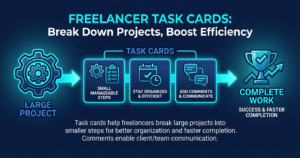
Task cards allow freelancers to break large projects into smaller manageable steps. This helps freelancers stay organized and complete work more efficiently.
Freelancers can also add comments inside cards to communicate with clients or team members.
Step 4: Using Labels and Priorities to Manage Workload
Freelancers often handle multiple projects with different urgency levels. Trello labels help freelancers categorize tasks based on priority or project type.
Common label examples include:
High priority tasks
Urgent deadlines
Client revision tasks
Design work
Content writing tasks
Using labels helps freelancers quickly identify important tasks and manage workload efficiently. Color coded labels also improve visual organization and reduce confusion.
Step 5: Setting Deadlines and Reminders
Meeting deadlines is essential in freelancing. Trello allows freelancers to set due dates for each task card. Once deadlines are added, Trello sends reminders to ensure freelancers complete tasks on time.
Freelancers can track:
Upcoming deadlines
Overdue tasks
Project completion timelines
Using deadlines helps freelancers maintain professional client relationships and avoid late project delivery.
Step 6: Attaching Files and Client Resources
Freelancers often receive design assets, documents, and project instructions from clients. Trello allows freelancers to attach files directly inside task cards.
Freelancers can upload:
Client briefs
Design files
Contracts
Reference materials
Images and documents
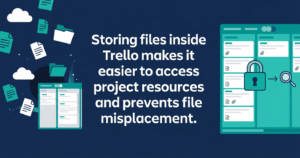
Storing files inside Trello makes it easier to access project resources and prevents file misplacement.
Step 7: Collaborating with Clients Using Trello
Trello allows freelancers to invite clients to project boards. This improves transparency and communication between freelancers and clients.
Clients can:
Review project progress
Leave feedback on tasks
Upload files and resources
Monitor deadlines
Collaborating inside Trello reduces email communication and keeps all project information in one place.
Step 8: Automating Freelance Workflow Using Trello Automation
Trello includes automation features that help freelancers save time. Automation tools allow freelancers to create rules that automatically move tasks, assign labels, or send reminders.
For example, freelancers can automate:
Moving tasks to completed list after approval
Sending deadline reminders
Assigning tasks automatically
Organizing recurring projects
Automation improves efficiency and reduces manual work, allowing freelancers to focus on creative tasks.
Step 9: Managing Multiple Freelance Clients with Trello Workspace
Freelancers managing multiple clients can organize boards inside Trello Workspace. Workspace helps freelancers view all projects in one dashboard.
Workspace allows freelancers to:
Switch between projects quickly
Monitor workload across clients
Track project progress globally
Improve workflow management
Using workspace ensures freelancers remain organized even when handling many clients simultaneously.
Best Trello Features Freelancers Should Use
Custom workflow boards
Task checklists
Deadline reminders
File attachments
Team collaboration tools
Automation rules
Mobile accessibility
These features make Trello a powerful project management tool for freelancers.
Tips for Using Trello More Effectively
Keep boards simple and organized
Use consistent workflow lists
Update task cards regularly
Communicate with clients through Trello comments
Use automation to reduce repetitive work
Review boards daily to track progress
Following these tips helps freelancers maximize productivity and maintain professional project organization.
Advantages of Using Trello for Freelance Project Management
Trello provides a visual and flexible system that simplifies project management. Freelancers benefit from improved task organization, better client communication, and increased productivity.
Trello is also beginner friendly, making it ideal for freelancers who want to improve workflow without learning complicated software systems.
Conclusion
Organizing freelance projects using Trello helps freelancers stay organized, meet deadlines, and manage client work professionally. Trello boards, lists, and task cards create a structured workflow that improves productivity and reduces project confusion.
Freelancers who use Trello can manage multiple projects efficiently while maintaining strong client communication and reliable project delivery. By implementing the step by step methods explained in this guide, freelancers can build a professional workflow that supports long term freelance success.