Data Security for Freelancers 2026 Guide) How to Protect Client Data and Payments
In today’s digital world, data security for freelancers is no longer optional—it’s essential. Whether you’re handling client payments, managing projects, or storing sensitive information, one mistake can cost you your reputation and income.
With cyber threats increasing every year, freelancers must adopt smart security practices to protect their business and clients.
In this guide, you’ll learn how to secure your freelance work, protect client data, and use the best tools for online safety.
What is Data Security for Freelancers?
Data security refers to protecting sensitive information such as:
- Client details
- Payment information
- Login credentials
- Project files
Freelancers often work remotely, making them more vulnerable to cyber threats.
According to Cybersecurity and Infrastructure Security Agency, remote workers must take extra precautions to secure their digital environment.
Why Data Security is Critical for Freelancers
Ignoring data security can lead to:
- Financial loss
- Client trust issues
- Legal problems
- Account hacking
Freelancers who deal with international payments are especially at risk.
Learn more about secure payments here:
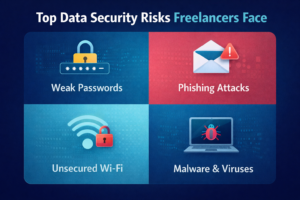
Top Data Security Risks Freelancers Face
1. Weak Passwords
Many freelancers reuse passwords across platforms.
2. Phishing Attacks
Fake emails that steal your login details.
3. Unsecured Wi-Fi
Working in public places increases risk.
4. Malware & Viruses
Downloading unsafe files can infect your system.
Best Data Security Tools for Freelancers
Here are some powerful tools freelancers should use:
- LastPass – Password manager
- NordVPN – Secure internet connection
- Bitdefender – Antivirus protection
- Google Drive – Secure cloud storage
Comparison Table (Top Security Tools)
| Tool | Best For | Price | Ease of Use |
|---|---|---|---|
| LastPass | Password management | Free/Paid | Easy |
| NordVPN | Privacy & browsing | Paid | Easy |
| Bitdefender | Virus protection | Paid | Medium |
| Google Drive | File storage | Free/Paid | Easy |
Expert Tips (E-E-A-T BOOST)
data security for freelancers
1. Use Two-Factor Authentication (2FA)
Always enable 2FA on all accounts.
2. Backup Your Data Regularly
Use cloud + offline backup.
3. Avoid Public Wi-Fi
Use VPN when necessary.
4. Keep Software Updated
Updates fix security vulnerabilities.
According to Google, regular updates are one of the most effective ways to prevent cyber attacks.
Secure Your Freelance Payments
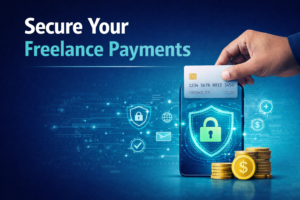
Handling payments safely is a major part of data security.
Use trusted platforms and avoid direct bank transfers when possible.
Learn more:
https://remotetoolshub.com/freelance-payment-platforms/
External Resources Authority Boost
Here are trusted resources you can reference:
- https://www.cisa.gov/cybersecurity
- https://www.kaspersky.com/resource-center
- https://www.cloudflare.com/learning/security/
- https://www.ibm.com/topics/data-security
How Data Security Improves Your Freelance Business
Strong security helps you:
- Gain client trust
- Work with international clients
- Increase income opportunities
- Build a professional reputation
Freelancers who prioritize security often attract high-paying clients
Bonus Tip: Protect Your Freelance Business in 2026 (Extended Guide)
As cyber threats continue to evolve in 2026, freelancers must stay updated with the latest security trends to protect their digital assets and client data. Data security for freelancers is no longer optional—it is a critical part of running a successful online business. One of the most effective strategies is combining multiple layers of protection, such as using a VPN, strong password managers, antivirus software, and secure payment platforms.
Using a Virtual Private Network (VPN) helps encrypt your internet connection, especially when working from public places like cafés or coworking spaces. This prevents hackers from intercepting your data. Similarly, password managers allow you to generate and store strong, unique passwords for every account, reducing the risk of unauthorized access.
Another essential step is enabling two-factor authentication (2FA) on all important accounts, including email, payment platforms, and project management tools. Even if your password is compromised, 2FA adds an extra layer of security that makes it much harder for attackers to gain access.
Additionally, freelancers should always verify client identities before sharing sensitive information or starting projects. This simple but powerful step can prevent scams, fake clients, and payment fraud. For example, you can request a video call, check LinkedIn profiles, or confirm business details before proceeding with any agreement.
Data backup is another key part of freelance security. Always store your important files in multiple locations, such as cloud storage and external drives. This ensures that even if your system is compromised, your data remains safe and recoverable.
Freelancers should also be cautious when downloading files or clicking links sent by clients or unknown sources. Malware and phishing attacks are common methods used by cybercriminals to steal data. Always scan files before opening them and avoid clicking suspicious links.
Keeping your software and devices updated is equally important. Software updates often include security patches that fix vulnerabilities. Ignoring updates can leave your system exposed to attacks.
Secure payment handling is another major area where freelancers must be careful. Always use trusted platforms and avoid sharing sensitive financial information عبر email or unsecured channels. If you want to learn more about safe payment handling, check this guide:
https://remotetoolshub.com/how-freelancers-handle-payments-from-international-clients-safely-and-efficiently/
You can also explore reliable platforms for receiving payments here:
https://remotetoolshub.com/freelance-payment-platforms/
In addition, freelancers should consider using cybersecurity tools designed specifically for remote work. These tools help protect against viruses, phishing attacks, and data breaches. Learn more about them here:
https://remotetoolshub.com/freelance-cybersecurity-tools/
Another smart strategy is to separate your personal and professional accounts. Use different emails, passwords, and devices if possible. This reduces the risk of a single breach affecting all aspects of your life.
Freelancers working with international clients should also be aware of data protection regulations such as GDPR. Following these standards not only protects your clients but also increases your credibility as a professional.
Finally, building a strong security habit is the key to long-term success. Security is not a one-time setup—it’s an ongoing process. By regularly reviewing your systems, updating your tools, and staying informed about new threats, you can stay ahead of cyber risks.
By taking proactive security measures, freelancers can build trust, attract high-paying clients, and grow their online business safely. Clients are more likely to work with freelancers who prioritize data security, making it a powerful advantage in today’s competitive market.
Final SEO Boost (CTR + Ranking Push)
If you want to rank fast on Google:
- Use your keyword in the title
- Add internal + external links
- Use images with alt text
- Keep content long (1000+ words)
- Answer user questions (FAQ section)
FAQ Data Security for Freelancers
What is the best data security tool for freelancers?
Tools like LastPass and NordVPN are highly recommended.
How can freelancers protect client data?
Use strong passwords, encryption, and secure platforms.
Is VPN necessary for freelancers?
Yes, especially when using public Wi-Fi.
How often should I update my security tools?
Regularly—at least once a month or whenever updates are available.
Final Thoughts
Data security for freelancers is one of the most important aspects of running a successful online business.
By using the right tools, following best practices, and staying informed, you can protect your clients and grow your freelance career safely.