
How Freelancers Handle Payments from International Clients
Freelancing has opened the door for professionals to work with clients from different countries and industries. While working with international clients increases earning potential, handling global payments can sometimes become challenging. Freelancers must deal with currency exchange, payment delays, transfer fees, and security risks. Learning how to manage payments professionally is essential for building a stable freelance career.
Freelancers who create reliable payment systems not only protect their income but also build trust with clients. By using modern payment platforms and smart financial strategies, freelancers can receive payments faster and reduce unnecessary costs. This guide explains how freelancers handle payments from international clients efficiently while maintaining professionalism and financial security.
Why International Payment Management Matters for Freelancers
Freelancers working globally need structured payment systems. Without proper payment planning, freelancers risk delayed payments, high transaction fees, and currency conversion losses.
Professional payment handling improves cash flow and strengthens client relationships. Clients prefer working with freelancers who provide simple and reliable payment options. Payment management also connects with other freelancer systems such as invoicing tools, client management software, and time tracking platforms.
Freelancers who already use digital invoicing systems and client scheduling tools usually find it easier to integrate international payment platforms into their workflow.
Common Challenges Freelancers Face with International Payments
Currency Conversion Costs
International payments often involve currency exchange. Some platforms apply hidden markup fees that reduce freelancer earnings.
Payment Delays
Bank transfers between countries can take several days, especially when traditional banking systems are used.
Platform Restrictions
Certain payment platforms are not available in all countries. Freelancers must choose services that support global transactions.
Security Risks
Handling online payments requires protection against fraud and payment disputes.
Understanding these challenges helps freelancers choose better payment solutions and avoid income loss.
Popular Payment Methods Freelancers Use for International Clients
Freelancers typically rely on secure digital payment platforms designed for global transactions.
Digital Payment Platforms
Digital platforms are the most popular option because they offer faster processing and easier client access.
Common freelancer payment platforms include
PayPal allows freelancers to receive payments from clients worldwide. It is widely accepted and easy to use. However, transaction fees and exchange rate markups can be higher.
Wise offers transparent currency exchange rates and lower transfer fees. Many freelancers prefer Wise for large international payments.
Payoneer supports freelancers working with global marketplaces and international companies. It provides multi currency accounts and global bank transfer support.
Stripe allows freelancers and agencies to accept card payments directly from clients. It works well for freelancers running online service businesses.
Each platform offers different benefits depending on payment volume, client location, and freelancer business model.
How Freelancers Choose the Right International Payment Platform
Selecting the right payment platform depends on several important factors.
Transaction Fees
Freelancers compare service fees, withdrawal charges, and currency conversion rates before choosing a payment method.
Payment Speed
Some clients require urgent project delivery, which means freelancers prefer instant or same day payment options.
Global Accessibility
Freelancers must ensure that both client and freelancer countries support the selected payment platform.
Integration with Freelancer Tools
Payment systems that integrate with invoicing software, time tracking tools, and client management platforms improve workflow automation.
Freelancers who already use digital invoicing tools benefit from payment platforms that allow clients to pay directly through invoices.
Step by Step Process Freelancers Use to Handle International Payments
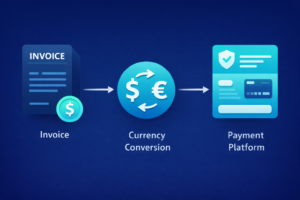
Step One Setting Payment Terms Before Starting Projects
Freelancers clearly define payment terms before accepting projects. Payment agreements usually include project cost, payment schedule, currency type, and payment platform.
Many freelancers request partial upfront payment to reduce financial risk.
Step Two Creating Professional Invoices
How Freelancers Manage Multiple Clients Efficiently Without Burnout
Freelancers generate professional invoices using invoicing software. Digital invoices include payment details, due dates, service descriptions, and payment instructions.
Professional invoices help clients understand payment expectations and reduce misunderstandings.
Freelancers who track time using digital time tracking tools often link tracked hours directly into invoices.
Step Three Sending Payment Requests
After completing project milestones or delivering services, freelancers send payment requests through digital invoicing systems or payment platforms.
Automated payment reminders help freelancers reduce late payments.
Step Four Monitoring Payment Status
Freelancers regularly track payment progress. Most digital payment platforms provide real time payment notifications and transaction tracking features.
Payment tracking ensures freelancers maintain stable income flow and avoid missing client payments.
Step Five Converting Currency and Withdrawing Funds
After receiving international payments, freelancers convert funds into local currency or store money in multi currency accounts. Some freelancers keep earnings in foreign currency accounts to reduce conversion losses.
Best Practices Freelancers Use to Reduce Payment Problems
Use Multi Currency Accounts
Multi currency accounts allow freelancers to receive and hold money in different currencies. This reduces conversion fees and helps freelancers choose better exchange timing.
Automate Payment Reminders
Automated reminders encourage clients to pay invoices on time. Many freelancers integrate reminders into invoicing software.
Use Secure Payment Links
Freelancers use secure payment links inside invoices. These links allow clients to pay directly through trusted payment platforms.
Request Partial Payments
Many freelancers request upfront deposits or milestone based payments. This reduces financial risk and improves project security.
Maintain Payment Records
Freelancers store payment records using cloud storage and accounting tools. Payment documentation supports tax reporting and financial planning.
How Payment Handling Connects with Other Freelancer Systems

International payment management works best when connected with other freelance workflow tools.
Freelancers often combine payment platforms with client management software to track project communication and payment history.
Time tracking software helps freelancers generate accurate invoices based on tracked work hours.
Project management tools help freelancers monitor milestones and send payment requests after project completion.
Cloud storage systems protect payment records and financial documents securely.
Integrating these tools helps freelancers build professional freelance business systems rather than relying on manual payment processes.
How to Store Client Files Securely Online
Security Tips Freelancers Follow When Handling Global Payments
Freelancers handling international payments must prioritize financial security.
They use strong passwords and two factor authentication for payment accounts. They avoid sharing payment credentials with clients. Freelancers verify client identity before accepting large international payments. They also use encrypted payment platforms and secure internet connections.
Security protection builds client trust and prevents financial fraud
Advantages of Digital Payment Systems for Freelancers
Freelancers using modern payment platforms experience several benefits.
Digital payment systems reduce transaction delays and allow freelancers to receive payments faster. Automated invoicing reduces administrative work. Payment tracking improves financial organization. Multi currency accounts support global business expansion.
Freelancers who implement digital payment systems usually manage multiple clients more efficiently and scale their freelance business faster.
Future Trends in International Freelancer Payments
Freelancer payment technology continues to evolve. More platforms now offer automated currency conversion, cryptocurrency payment options, and real time global transfer systems.
Artificial intelligence is also improving invoice automation and fraud detection. Freelancers who adapt to modern payment technologies remain competitive in the global freelance market How Freelancers Schedule Meetings With Clients Efficiently
Conclusion
Handling payments from international clients is a critical part of freelancing success. Freelancers who build structured payment systems protect their income, improve professionalism, and create stronger client relationships.
Using trusted digital payment platforms, professional invoicing software, and automated financial tools allows freelancers to receive payments efficiently and securely. By combining payment management with client management, time tracking, and project organization tools, freelancers can build reliable and scalable freelance businesses.
Freelancers who learn how to manage global payments professionally not only increase earnings but also create long term client partnerships and sustainable freelance careers.